
Introduction
Choosing the right software can feel confusing, especially when the market is full of options that look similar on the surface. New tools launch every day, and each one claims to be faster, smarter, or more affordable than the rest. This is where a software comparison guide becomes extremely useful. It helps you look beyond marketing promises and focus on what truly matters for your needs.
For beginners, software selection often feels overwhelming because of technical terms, pricing plans, and feature lists. Intermediate users, on the other hand, may struggle to compare advanced functions or long-term value. A clear and structured software comparison guide removes this confusion by offering a step-by-step way to evaluate tools logically.
In this article, you will learn how to compare software effectively without stress. You will understand what software comparison really means, why it matters, and how to follow a proven process to make better decisions. The goal is not to push a specific product, but to help you think clearly and choose confidently.
What is Software Comparison Guide?
A software comparison guide is a structured method used to evaluate and compare different software tools based on specific criteria. Instead of choosing software randomly or based on ads, this guide helps users make decisions using facts, needs, and priorities.
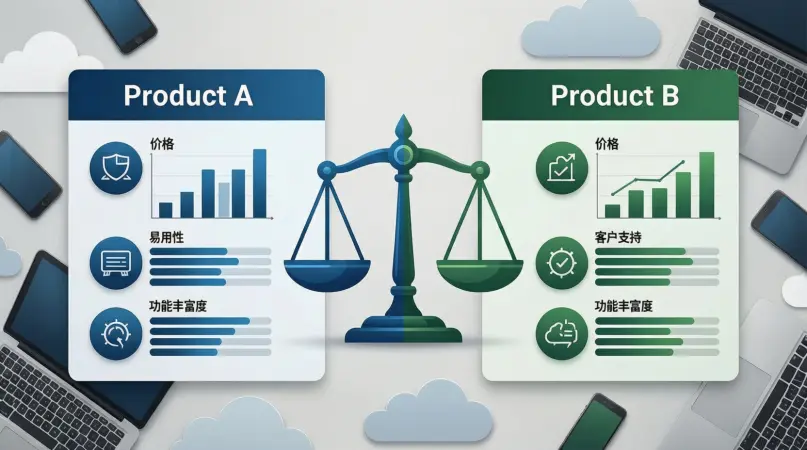
At its core, a software comparison guide focuses on matching software features with user requirements. It examines areas such as functionality, ease of use, pricing, performance, support, and long-term value. This process allows users to see clear differences between tools that may initially appear similar.
For example, two project management tools might both offer task tracking. However, one may provide better collaboration features, while the other focuses on automation. A proper comparison highlights these differences clearly.
A software comparison guide is not only for experts. Beginners benefit the most because it simplifies technical information into understandable points. It also helps intermediate users avoid switching software repeatedly by choosing the right option the first time.
In short, a software comparison guide turns a confusing decision into a logical and confident choice.
Why is Software Comparison Guide Important?
Using a software comparison guide is important because software directly affects productivity, costs, and overall success. Choosing the wrong tool can waste time, slow work, and increase frustration.
First, it saves money. Many users subscribe to software that does not fit their needs and later cancel it. Comparing options beforehand reduces this risk.
Second, it improves efficiency. When software matches your workflow, tasks become faster and smoother. A comparison guide helps identify tools that align with how you work.
Third, it reduces learning stress. Some software looks powerful but is difficult to use. A proper comparison highlights usability and learning curve issues early.
Finally, it supports long-term planning. Software is not just a short-term purchase. A guide helps you consider scalability, updates, and support, ensuring your choice remains useful over time.
Overall, a software comparison guide helps you make smarter, calmer, and more confident decisions.
Detailed Step-by-Step Guide

Step 1: Define Your Needs Clearly
Before comparing any tools, list your exact needs. Ask yourself what problem the software should solve.
Consider the following:
- Primary purpose of the software
- Features you must have
- Features that are optional
- Number of users
- Budget range
Clear needs prevent distraction from unnecessary features.
Step 2: Shortlist Relevant Software Options
Do not compare too many tools at once. Select three to five options that match your basic requirements.
This step keeps the process manageable and focused. Avoid tools that clearly do not fit your goals.
Step 3: Compare Core Features
Now compare how each software handles your main tasks.
Look at:
- Feature depth
- Customization options
- Integration with other tools
- Automation capabilities
Create a simple list or table to track differences.
Step 4: Evaluate Ease of Use
Good software should be easy to understand and use.
Check:
- Interface clarity
- Navigation simplicity
- Availability of tutorials
- Learning curve
Ease of use matters more than advanced features you may never use.
Step 5: Analyze Pricing and Value
Price alone should not decide your choice. Focus on value.
Compare:
- Monthly or yearly cost
- Free plans or trials
- Hidden fees
- Upgrade flexibility
Sometimes a slightly higher price offers much better long-term value.
Step 6: Check Performance and Reliability
Reliable software performs consistently without crashes or delays.
Consider:
- Speed
- Stability
- System requirements
- Update frequency
Performance issues can damage productivity over time.
Step 7: Review Support and Documentation
Good support saves time when problems arise.
Look for:
- Help centers
- Email or chat support
- Response time
- Community forums
Strong support is especially important for beginners.
Step 8: Consider Security and Privacy
Software often handles sensitive data.
Evaluate:
- Data encryption
- Backup options
- Privacy policies
- Access controls
Security should never be ignored.
Step 9: Test Before Final Decision
Whenever possible, use free trials or demos.
Hands-on testing reveals real strengths and weaknesses that descriptions may hide.
Benefits of Software Comparison Guide
- Helps make informed decisions
- Saves time and money
- Reduces risk of wrong purchases
- Improves productivity
- Supports long-term planning
- Builds confidence in choices
- Avoids feature overload
Disadvantages / Risks
- Takes time to research properly
- Too many options can still feel overwhelming
- Information overload if not structured
- Bias from marketing claims
- Rapid software updates may change comparisons
Common Mistakes to Avoid
One common mistake is focusing only on price. Cheap software may lack essential features or support.
Another mistake is ignoring future needs. Software should grow with you, not limit you.
Many users also skip testing. Relying only on reviews can lead to disappointment.
Overlooking support quality is another issue. Poor support can waste hours during problems.
Finally, choosing software based on popularity instead of suitability often leads to regret.
Avoid these mistakes to get real value from your software comparison guide.
FAQs
What is the main purpose of a software comparison guide?
The main purpose is to help users evaluate software logically based on needs, features, and value. It reduces confusion and improves decision quality.
Is a software comparison guide useful for beginners?
Yes, beginners benefit the most. It simplifies complex details and provides a clear path to choosing suitable software.
How many software tools should I compare at once?
Ideally, compare three to five tools. This keeps the process focused and manageable without overload.
Should price be the most important factor?
No, price should be balanced with features, support, and long-term value. Cheap software is not always cost-effective.
How often should I review my software choices?
Review software yearly or when your needs change. Regular reviews ensure tools still match your goals.
Can one software comparison guide fit all users?
No, each guide should be adjusted to individual needs. What works for one user may not work for another.
Expert Tips & Bonus Points
Always start with clear goals before comparing tools. Goals guide better decisions.
Use simple scoring methods to rate software features objectively.
Focus on software that integrates well with your existing tools.
Avoid tools with unnecessary complexity if you value speed and clarity.
Keep a record of why you chose a specific tool. This helps during future reviews.
Lastly, remember that the best software is the one that fits your workflow, not the one with the longest feature list.
Conclusion
Making the right software choice does not have to be stressful or confusing. With a clear process and the right mindset, anyone can select tools that truly support their work. A well-structured software comparison guide helps you move from guesswork to confidence by focusing on needs, value, and usability.
Throughout this article, you learned what a software comparison guide is, why it matters, and how to follow a step-by-step process to compare tools effectively. You also explored benefits, risks, common mistakes, and expert insights that make decision-making easier.
For beginners, this approach builds clarity and reduces fear of making wrong choices. For intermediate users, it adds structure and long-term thinking. The key is consistency and honesty with your needs.