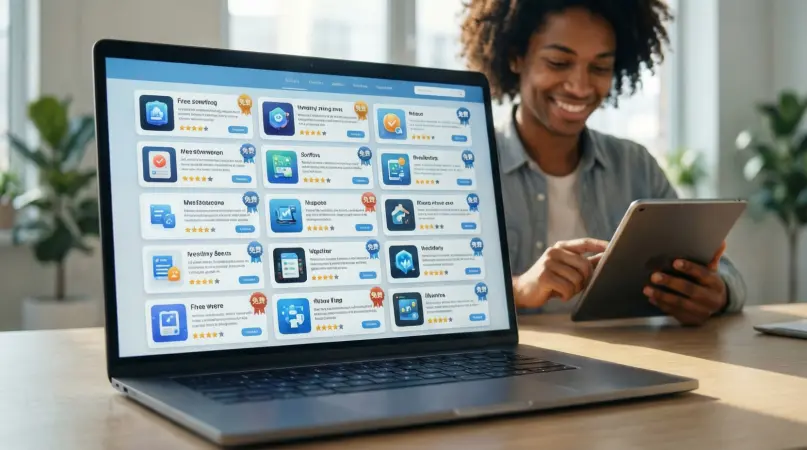

Introduction
Choosing the right software can feel confusing, especially when everything claims to be “free” and “best.” This is where free software reviews become extremely helpful. They guide users toward tools that are safe, useful, and suitable for real needs. Instead of wasting time downloading random programs, reviews help people make smart decisions.
For beginners, free software reviews act like a trusted friend who already tested the software. For intermediate users, they save hours of research and comparison. Reviews explain what a tool does, who should use it, and where it may fall short.
In today’s digital world, thousands of free tools exist for writing, design, security, productivity, and learning. However, not all free software is reliable. Some come with hidden ads, limited features, or security risks. Reading honest reviews reduces these risks and builds confidence.
What is Free Software Reviews?
Free software reviews are detailed evaluations of software that can be used without payment. These reviews explain how the software works, what features it offers, and whether it is worth using. They focus on real experience rather than promotional claims.
A good review covers usability, performance, compatibility, and limitations. It also explains who the software is best for. For example, a free video editor may be perfect for beginners but not suitable for professional filmmakers.
Free software reviews are usually written by users, bloggers, or tech reviewers. They test the software and share honest opinions. Unlike advertisements, reviews aim to help readers, not sell products.
These reviews also compare free tools with similar options. This helps readers choose the best software for their needs. In simple terms, free software reviews act as a decision-making guide in a crowded digital marketplace.
Why is Free Software Reviews Important?

Free software reviews are important because they protect users from poor choices. Without reviews, users may download unsafe or low-quality tools. Reviews reduce this risk by sharing real experiences.
They also save time. Instead of testing ten tools, users can read reviews and shortlist the best options. This is especially helpful for beginners who lack technical knowledge.
Another reason is transparency. Reviews expose hidden limits, ads, or data collection practices. Users can decide if a tool matches their comfort level.
For students, freelancers, and small businesses, free software reviews support smart budgeting. They help find capable tools without spending money. Overall, reviews build trust and confidence in software decisions.
Detailed Step-by-Step Guide
Step 1: Identify Your Needs
Start by understanding what you want from the software. Are you looking for writing help, graphic design, security, or productivity? Clear goals make reviews more useful.
Write down must-have features and optional features. This helps you judge reviews accurately and avoid distractions.
Step 2: Search Trusted Review Sources
Not all reviews are equal. Look for platforms or writers known for honesty. Avoid pages filled with aggressive promotions. Balanced reviews usually mention both pros and cons.
Reading multiple free software reviews gives a clearer picture. One opinion alone may be biased or incomplete.
Step 3: Check Software Features Carefully
Focus on features that matter to you. Reviews should explain how features work in real situations. Screenshots, examples, and explanations are helpful signs of quality reviews.
Also, check system requirements. A great tool is useless if it does not run on your device.
Step 4: Analyze Pros and Cons
Every software has strengths and weaknesses. Good reviews clearly list them. Compare pros and cons with your needs. A disadvantage may not matter to you, while a small feature could be essential.
This step helps avoid disappointment after installation.
Step 5: Look for Updates and Support Information
Software that receives regular updates is usually safer and more reliable. Reviews often mention update frequency and support quality.
Active development shows that the software will improve over time.
Step 6: Test the Software Yourself
After reading reviews, try the software. Your experience matters most. Reviews guide you, but personal testing confirms the final decision.
Use free trials or open features to explore functionality before fully adopting the tool.
Benefits of Free Software Reviews
- Help users choose reliable and safe tools
- Save time by reducing trial and error
- Support budget-friendly decisions
- Highlight hidden limitations and risks
- Improve user confidence
- Encourage smarter digital habits
- Provide comparisons between similar tools
Disadvantages / Risks
- Some reviews may be biased or sponsored
- Outdated reviews can mislead users
- Personal preferences may affect opinions
- Fake reviews can exist
- Over-reliance may reduce personal testing
Common Mistakes to Avoid
One common mistake is trusting a single review. Always read multiple opinions to balance perspectives.
Another mistake is ignoring negative feedback. Even one repeated complaint deserves attention.
Many users also forget to check review dates. Software changes fast, and old reviews may no longer be accurate.
Lastly, some people skip system compatibility details. Always confirm that the software matches your device and operating system.
FAQs
What are free software reviews?
Free software reviews are evaluations of no-cost software tools. They explain features, usability, benefits, and drawbacks based on real use.
Are free software reviews trustworthy?
Most are trustworthy if written honestly. Reading multiple reviews helps identify consistent feedback and avoid bias.
Can free software replace paid tools?
In many cases, yes. Reviews often highlight free alternatives that offer strong features for everyday use.
How often should I check reviews?
Check reviews before downloading new software and occasionally after updates. This ensures continued suitability and safety.
Do beginners benefit from reviews?
Absolutely. Reviews explain complex tools in simple terms, making them ideal for beginners.
Are negative reviews always bad?
Not always. Negative points may not affect your use. They simply help set realistic expectations.
Expert Tips & Bonus Points
Always focus on reviews that explain real-world use, not just feature lists. Practical examples show how software performs daily.
Pay attention to long-term user comments. These reveal stability and reliability over time.
Create a shortlist of tools from reviews, then test each briefly. This combines research with experience.
Finally, trust your judgment. Reviews guide you, but your comfort and workflow matter most.
Conclusion
Free software reviews play a powerful role in modern digital decision-making. With countless tools available, choosing the right one without guidance can be overwhelming. Reviews simplify this process by offering honest insights based on real experiences.
For beginners, reviews reduce fear and confusion. They explain features clearly and highlight tools that are easy to use. Intermediate users benefit by discovering advanced features and smart alternatives to paid software. In both cases, reviews save time, effort, and money.
However, users should remain thoughtful. Not every review is perfect, and opinions can differ. Reading multiple free software reviews and checking update dates improves accuracy. Combining reviews with personal testing leads to the best results.