

Introduction
Technology is everywhere in our daily lives. From smartphones and laptops to smart home devices, we rely on technology for work, learning, and entertainment. However, tech problems are inevitable. Whether your computer crashes, your Wi-Fi stops working, or your phone battery drains quickly, knowing how to fix common tech problems can save you time, money, and frustration.
Many beginners feel overwhelmed when their devices fail. They might think they need an expert or that the problem is too complex to solve. The truth is, most tech issues are simpler than they appear. With a structured approach, basic tools, and a little patience, anyone can troubleshoot and resolve everyday tech problems.
This guide will teach you how to fix common tech problems step by step. We will cover the causes, solutions, and precautions you should take. You will also learn expert tips to prevent future problems and maximize your device’s performance. By the end of this article, you will feel confident handling most tech-related issues at home or work without needing to spend hundreds on professional repairs.
What is How to Fix Common Tech Problems?
“How to fix common tech problems” refers to the process of identifying, troubleshooting, and resolving everyday issues that occur with electronic devices. These problems can range from slow computer performance and software crashes to network issues and mobile device malfunctions.
Understanding how to fix common tech problems involves knowing both the symptoms and the causes of these issues. It also requires a step-by-step approach to isolate the problem and apply the correct solution. This knowledge empowers users to maintain their devices in good working condition and avoid unnecessary downtime.
Common tech problems can include:
- Devices not turning on
- Slow internet or network issues
- Software crashes or errors
- Battery and charging problems
- Peripheral issues like printers, keyboards, or mice not working
By learning how to fix these problems, users gain independence and confidence in managing their devices. Instead of panicking when something goes wrong, they can systematically address the issue and often solve it quickly.
Why is How to Fix Common Tech Problems Important?
Fixing tech problems is essential for several reasons:
- Time-Saving: Waiting for professional help can take hours or even days. Solving problems yourself reduces downtime.
- Cost-Effective: Hiring technicians or buying new devices can be expensive. Troubleshooting saves money.
- Skill Development: Learning basic tech repair skills boosts confidence and prepares you for future challenges.
- Device Longevity: Regular maintenance and problem-solving extend the life of your devices.
- Peace of Mind: Knowing you can fix common issues reduces stress and frustration.
Ignoring minor problems often leads to bigger issues. For instance, neglecting slow software performance can cause data loss, while ignoring battery issues may damage your device permanently. Therefore, understanding how to fix common tech problems is not just convenient it’s necessary for safe and efficient device use.
Detailed Step-by-Step Guide
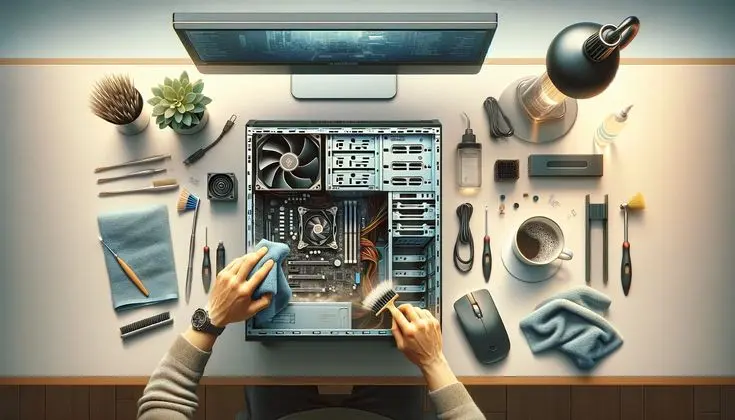
Step 1: Identify the Problem
Before you fix a tech problem, you need to understand what is wrong. Follow these steps:
- Observe Symptoms: Note unusual behavior such as error messages, slow performance, or device overheating.
- Check Recent Changes: Consider software updates, new apps, or hardware changes that might have caused the issue.
- Replicate the Issue: Try to recreate the problem to understand when it occurs.
Step 2: Basic Troubleshooting
Many tech problems can be solved with simple steps:
- Restart Your Device: Often, a restart can clear temporary glitches.
- Check Connections: Ensure all cables, chargers, and peripherals are properly connected.
- Update Software: Outdated software or drivers can cause errors. Always keep your system updated.
- Clear Cache and Temporary Files: This improves performance and resolves software conflicts.
Step 3: Internet and Network Issues
Internet problems are common. Here’s how to fix them:
- Restart Modem/Router: Power cycling your network devices often restores connectivity.
- Check Network Settings: Ensure Wi-Fi or Ethernet is properly configured.
- Reduce Interference: Move devices closer to the router and remove obstacles.
- Check for Service Outages: Contact your ISP to confirm if the problem is external.
Step 4: Software and App Issues
Software crashes or freezes can be frustrating. Follow these steps:
- Close Unresponsive Programs: Use Task Manager (Windows) or Force Quit (Mac) to end stuck applications.
- Reinstall Software: Sometimes reinstalling the app fixes corrupted files.
- Check for Conflicts: Disable recently installed plugins or add-ons that may cause issues.
Step 5: Device Performance Problems
Slow devices are often due to storage or memory issues:
- Free Up Storage: Delete unnecessary files or move them to cloud storage.
- Limit Background Processes: Disable apps that run automatically on startup.
- Upgrade Hardware: Adding more RAM or an SSD can improve performance.
Step 6: Battery and Charging Issues
Battery problems are common in laptops and smartphones:
- Check Charger and Cable: Faulty chargers can prevent charging.
- Avoid Extreme Temperatures: Heat or cold can damage batteries.
- Calibrate Battery: Fully charge and discharge your device occasionally to maintain accuracy.
- Replace Battery: If performance is poor, consider a replacement from a certified provider.
Step 7: Peripheral Device Problems
Printers, keyboards, and other devices may stop working:
- Check Connections: Ensure devices are properly plugged in or paired via Bluetooth.
- Update Drivers: Download the latest drivers from the manufacturer’s website.
- Test on Another Device: Confirm if the problem is with the peripheral or your system.
Step 8: Advanced Troubleshooting
For persistent issues:
- System Restore (Windows) or Time Machine (Mac): Restore your device to a previous working state.
- Safe Mode: Booting in safe mode helps identify software conflicts.
- Professional Help: If all else fails, consult a certified technician.
Benefits of How to Fix Common Tech Problems
- Saves money on repairs and replacements
- Reduces downtime and frustration
- Enhances device performance and lifespan
- Boosts confidence in handling technology
- Prevents minor issues from becoming major problems
- Promotes proactive maintenance habits
Disadvantages / Risks
- Risk of data loss if proper backups are not maintained
- Potential to void warranty if devices are disassembled
- May cause hardware damage if not handled correctly
- Mistakes in software settings can worsen issues
- Time-consuming for complex problems
- Requires basic technical knowledge and patience
Common Mistakes to Avoid
- Ignoring Updates: Skipping updates can cause security and performance issues.
- Overloading Devices: Running too many apps simultaneously slows performance.
- Unverified Downloads: Installing apps from untrusted sources can lead to malware.
- Neglecting Backups: Failing to backup data can result in permanent loss.
- Using Incorrect Tools: Using improper tools for repairs can damage hardware.
- Panic Troubleshooting: Making random changes without understanding the problem can worsen it.
FAQs
Q1: How do I fix a slow computer?
A: Start by restarting your computer, clearing cache and temporary files, uninstalling unused programs, and limiting startup applications. Upgrading RAM or switching to an SSD can also boost performance.
Q2: Why is my Wi-Fi not working?
A: Wi-Fi issues can be caused by router problems, network settings, or service outages. Restart your router, check your settings, and contact your ISP if necessary.
Q3: What should I do if my smartphone battery drains quickly?
A: Reduce screen brightness, close unused apps, update software, and avoid extreme temperatures. If the problem persists, consider calibrating or replacing the battery.
Q4: How can I fix software that keeps crashing?
A: Close the app, restart your device, update the software, check for conflicting plugins, or reinstall the application.
Q5: My printer is not responding. How do I fix it?
A: Ensure it’s properly connected, check driver updates, restart both the printer and computer, and test with another device to isolate the issue.
Q6: How can I prevent tech problems in the future?
A: Regularly update software, backup your data, keep devices clean and cool, avoid suspicious downloads, and perform periodic maintenance checks.
Q7: Can I fix hardware problems at home?
A: Minor hardware issues like loose cables or peripherals can often be fixed at home. However, complex internal hardware problems should be handled by certified technicians.
Q8: Is it safe to use free online troubleshooting tools?
A: Many are safe, but always download from reputable sources. Avoid suspicious websites that request excessive permissions or personal information.
Expert Tips & Bonus Points
- Create a Troubleshooting Routine: Regularly check for updates, clean devices, and monitor performance.
- Use Antivirus Software: Protect devices from malware and unwanted software.
- Label and Organize Cables: Prevent peripheral issues caused by disconnected or tangled cables.
- Learn Keyboard Shortcuts: Saves time and helps with quick fixes.
- Backup Frequently: Use cloud storage or external drives to prevent data loss.
- Document Solutions: Keep a record of common fixes for reference.
Bonus Tip: If a solution seems too complex, don’t force it. Research or seek help from reliable sources to avoid causing further damage.
Conclusion
Learning how to fix common tech problems is a valuable skill for everyone in today’s digital world. From minor software glitches to hardware issues, understanding basic troubleshooting techniques can save you time, money, and stress. By following a structured approach identifying the problem, applying simple fixes, and knowing when to seek professional help you can handle most tech challenges confidently.
Regular maintenance, updates, and safe usage habits prevent many issues before they occur. Additionally, learning to fix problems improves your technical knowledge and makes you more independent in managing devices. While mistakes are part of the learning process, being patient and systematic ensures safe and effective solutions.